
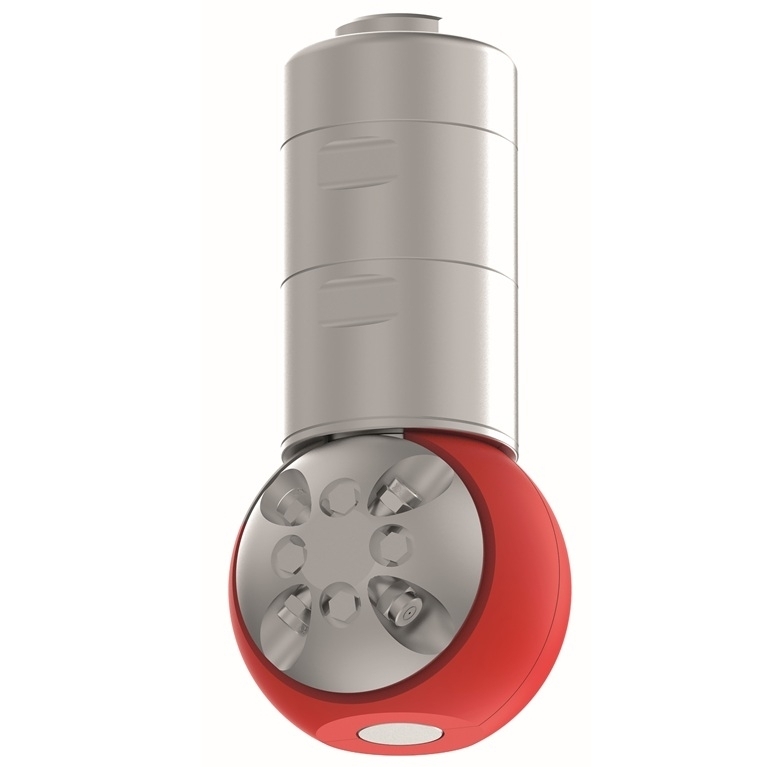
Modern tank cleaning heads have revolutionized industrial cleaning processes through innovative design and precision engineering. This comprehensive overview explores rotating spray technology, flow dynamics, and cleaning pattern optimization that ensure complete tank sanitation. We analyze different types of heads including electric rotating heads, self-propelled systems, and pneumatic cleaning equipment. Material compatibility with various chemicals and temperature resistance are critical factors for successful implementation. Coverage patterns, pressure requirements, and flow rates determine cleaning effectiveness and cycle times. Discover how advanced cleaning heads reduce water consumption, chemical usage, and cleaning time while improving hygiene standards in the food, pharmaceutical, and chemical industries.
Tank cleaning heads represent a significant advancement in industrial cleaning equipment, offering automated solutions that eliminate the need for manual intervention in confined spaces. These sophisticated devices utilize pressurized water flow and precisely engineered nozzle configurations to achieve comprehensive coverage of tank interiors, ensuring thorough sanitation in compliance with industry standards.
The core business of industrial cleaning equipment suppliers focuses on providing reliable, efficient tank cleaning systems that meet the demanding requirements of food processing, chemical manufacturing, and pharmaceutical production facilities. Modern cleaning technology integrates mechanical engineering principles with fluid dynamics to optimize cleaning performance while minimizing resource consumption.
Industrial cleaning equipment encompasses several distinct categories oftank cleaning heads, each designed for specific operational requirements and tank configurations.
Electric rotary heads use electric motors to generate the rotational movement of the spray nozzles, providing consistent cleaning patterns with flow rates of up to 80 liters per minute and operating pressures of up to 250 bar. These systems are particularly effective for medium-sized containers and tanks, with compact designs that allow insertion through small inlet holes as small as 45-86 mm in diameter. The electric motor mechanism ensures reliable performance with standard pressure washers and professional pumping units.
Self-propelled rotating heads are the most sophisticated tank cleaning systems available, incorporating internal gear mechanisms that use water pressure and flow to generate rotational movement without external power sources. These advanced units can withstand pressures of up to 500 bar with flow rates of up to 250 liters per minute. The internal turbine system connects to a planetary gearbox, transmitting both rotary and revolutionary motion to the nozzles to achieve complete 360-degree coverage within predetermined cycle times. Self-propelled heads excel in applications involving highly resistant dirt deposits, including paint residues and chemical contaminants.
Pneumatic cleaning heads employ compressed air as the driving force for nozzle rotation, offering advantages in environments where electrical systems may pose safety concerns or where ATEX certification requirements apply. These systems provide reliable operation in potentially explosive atmospheres, making them essential sanitation equipment for chemical processing facilities.
The effectiveness of rotating spray heads depends on the precise engineering of multiple interconnected systems. Water enters the body of the cleaning head and flows through carefully designed internal passages that direct the fluid to strategically placed nozzles. In self-propelled models, the water flow engages a turbine mechanism that converts fluid energy into mechanical rotation, eliminating the need for external power sources while maintaining consistent operating performance.
Coverage patterns emerge from the coordinated movement of spray nozzles through both rotational and revolutionary motion, ensuring that pressurized water reaches every surface within the tank interior. The cleaning cycle time varies based on tank dimensions, soil type, and selected operating parameters, with programmable systems allowing operators to customize cleaning sequences for specific applications.
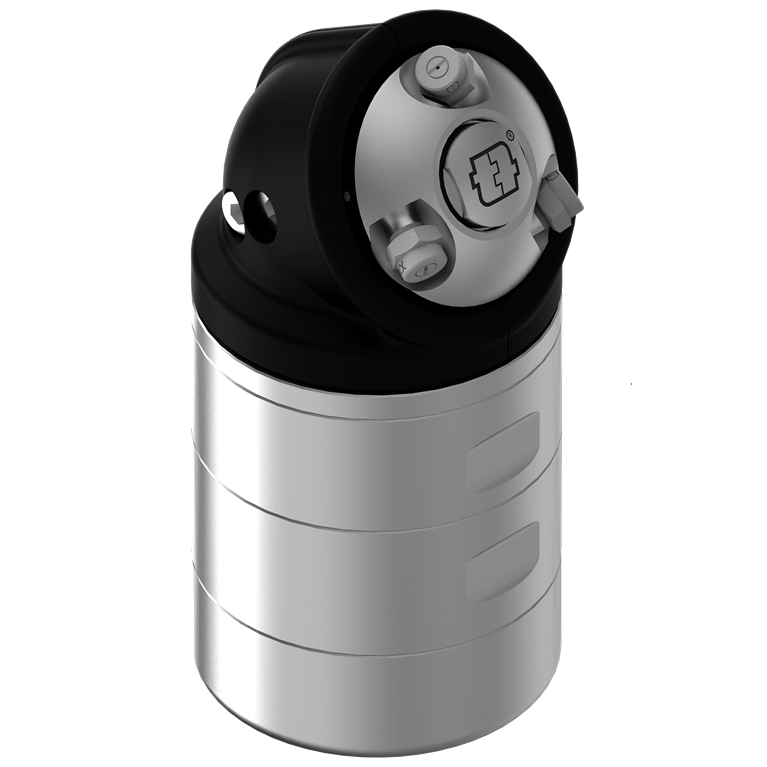
Successful implementation of tank cleaning systems requires careful consideration of pressure and flow rate specifications. Different models accommodate varying operational ranges:
The relationship between pressure and flow rate directly impacts cleaning effectiveness, with higher pressures providing greater impact force for stubborn residues, while adequate flow rates ensure sufficient coverage and dirt removal. Professional cleaning technology suppliers provide technical guidance to match equipment specifications with specific application requirements.
Industrial cleaning equipment must withstand exposure to various cleaning agents, process chemicals, and temperature extremes encountered in different manufacturing environments. Modern tank cleaning heads typically feature stainless steel construction to ensure compatibility with acidic and alkaline cleaning solutions while providing corrosion resistance for extended service life.
Temperature resistance specifications vary by model and application, with some units designed for standard ambient conditions while others accommodate heated cleaning solutions or steam sanitization processes. Material selection considerations extend to seals, gaskets, and internal components that maintain operational integrity under demanding conditions. The food industry particularly requires sanitation equipment that meets strict hygienic standards while resisting degradation from repeated cleaning cycles.
Proper installation of tank cleaning systems begins with accurate assessment of tank dimensions, inlet configuration, and accessibility requirements. Compact designs enable insertion through standard tank openings, with specific models accommodating inlet holes ranging from 40 mm to 86 mm in diameter depending on the cleaning head size and configuration.
Integration with existing pressure washing equipment or dedicated pumping units requires verification of compatibility regarding:
Professional industrial cleaning installations benefit from technical consultation to optimize system performance and ensure reliable operation throughout the equipment lifecycle.
Systematic maintenance extends equipment service life and maintains optimal cleaning performance. Regular inspection intervals should address nozzle condition, seal integrity, bearing function, and overall system cleanliness. Rotating components require periodic lubrication according to manufacturer specifications, while seals may need replacement based on chemical exposure and operating hours.
Performance monitoring involves tracking cleaning cycle times, water consumption rates, and cleaning effectiveness through visual inspection or automated verification systems. Deviations from established baseline performance may indicate developing maintenance needs, allowing proactive intervention before complete system failure. Documentation of maintenance activities and performance metrics supports continuous improvement initiatives and regulatory compliance requirements.
Advanced tank cleaning heads deliver substantial operational benefits through optimized design and precise engineering. Automated cleaning systems reduce water consumption compared to manual cleaning methods by directing pressurized spray exactly where needed, eliminating wasteful overspray and reducing cycle times. Chemical usage decreases through improved mechanical action and coverage uniformity, with many applications achieving effective cleaning using water alone or with minimal detergent concentrations.
Time savings emerge from multiple sources: elimination of manual entry requirements, reduced cleaning cycle duration, and decreased equipment downtime. These efficiency gains translate directly to operational cost reductions while simultaneously improving workplace safety by minimizing personnel exposure to confined spaces and chemical environments. The pharmaceutical and food processing sectors particularly value these improvements as they support compliance with stringent hygiene regulations while optimizing production schedules.
Tank cleaning technology serves diverse industrial sectors, each with specific requirements and regulatory frameworks. The food and beverage industry relies on sanitation equipment that achieves thorough cleaning without contamination risk, supporting compliance with food safety standards and allergen control protocols. Pharmaceutical manufacturing demands even higher cleanliness levels, with cleaning validation requirements that verify complete removal of previous product batches and cleaning agents.
Chemical processing facilities utilize robust tank cleaning systems capable of handling aggressive substances and extreme operating conditions. ATEX certification becomes essential for cleaning heads deployed in environments with potentially explosive atmospheres, ensuring safe operation through proper design and material selection. These specialized applications demonstrate the versatility of modern cleaning technology in meeting varied industrial requirements while maintaining safety and performance standards.
Determining the optimal tank cleaning head for specific applications requires comprehensive evaluation of multiple factors. Tank dimensions and geometry influence coverage requirements and cycle time expectations, while inlet configuration constrains equipment size and installation approach. The nature of soil or residue dictates necessary pressure levels and cleaning agent compatibility, with challenging deposits requiring more aggressive mechanical action or specialized chemical formulations.
Operational considerations include:
Professional industrial cleaning equipment suppliers offer technical consultation services to guide selection processes, ensuring that chosen systems meet immediate operational needs while providing flexibility for future requirements. Italian-manufactured cleaning technology combines precision engineering with practical design, delivering reliable performance in demanding industrial environments.
Tank cleaning heads represent essential industrial cleaning equipment that enables efficient, thorough sanitation across multiple manufacturing sectors. Revolutionary technology incorporating rotating spray heads, optimized flow dynamics, and precision engineering delivers superior cleaning performance while reducing resource consumption and operational costs. Understanding the various types of cleaning systems, their operational requirements, and proper implementation procedures allows organizations to select and deploy tank cleaning technology that meets specific application needs while supporting compliance with industry standards and safety regulations.



 Digital Marketing