
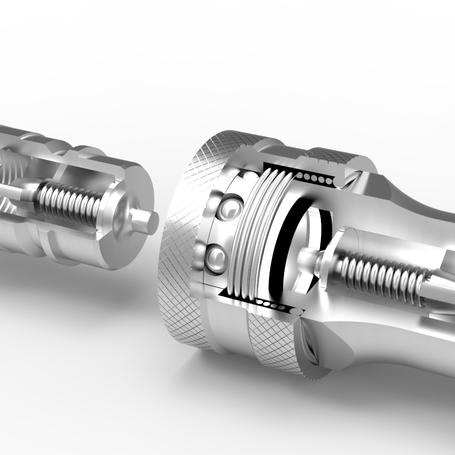
Swivel joints are essential hydraulic components that provide flexibility and rotational freedom in high-pressure fluid systems while maintaining leak-free performance under demanding conditions. This technical analysis explores bearing systems, seal technologies, and pressure containment mechanisms that enable reliable rotation. We examine material selections including stainless steel, nickel-plated brass, and specialized alloys that resist corrosion and wear in professional applications. Pressure ratings from 150 to 600 bar, temperature capabilities, and rotational specifications determine application compatibility. Installation considerations including proper torque specifications, alignment procedures, and support requirements ensure optimal performance. Discover maintenance intervals, seal replacement procedures, and performance monitoring techniques. Learn how quality swivel joints prevent hose twisting, reduce operator fatigue, and extend system lifespan in professional cleaning, car wash, and fluid transfer applications.
Swivel joints, also known as rotary joints or hose swivels, serve as critical connection points in high-pressure fluid systems where rotational freedom is required. These precision-engineered components enable hoses, guns, and other equipment to rotate freely without transmitting torque through the system, preventing hose damage and reducing operator fatigue. In professional cleaning applications, swivel joints allow operators natural movement while maintaining continuous high-pressure water delivery.
The fundamental design of a swivel joint incorporates a rotating element sealed within a stationary housing. This configuration permits 360-degree rotation while containing pressurized fluid and preventing leakage. Professional-grade swivels employ sophisticated bearing systems that support rotational movement under load while sealing technologies maintain pressure integrity across the rotating interface. The engineering challenges involve balancing smooth rotation with reliable sealing under pressures that can exceed 500 bar in industrial applications.
In car wash systems, municipal cleaning equipment, and industrial pressure washers, rotating joints eliminate the common problem of hose twisting during operation. When operators move around vehicles or equipment, hoses naturally tend to twist and bend. Joints positioned in strategic locations (between the hose and the gun or at the hose inlet) absorb this rotational movement, allowing the hoses to remain properly oriented. This protection significantly extends the service life of the hose while improving operator comfort and safety.
Selecting appropriate swivel joints requires understanding the technical specifications that govern performance and compatibility with specific systems. Pressure rating represents the primary specification, indicating maximum safe operating pressure. Professional swivels available through Emiltec span a wide pressure range to accommodate diverse applications.
Key performance specifications include:
The PA SW35 swivel exemplifies high-performance design, rated for pressures up to 350 bar and flow rates to 40 l/min. Engineered for high-speed rotation up to 2000 rpm, this swivel suits demanding car wash applications where equipment experiences continuous rotation. Its nickel-plated brass construction with stainless steel pin and Viton seals provides durability in environments involving water, detergents, and temperature variations.
For heavy industrial applications, the R+M ST322 stainless steel swivel handles pressures to 400 bar with flow rates reaching 80 l/min. The 90-degree configuration redirects flow while providing rotational freedom, making it suitable for industrial cleaning equipment where both pressure capacity and spatial constraints require robust, compact solutions. Full stainless steel construction ensures maximum corrosion resistance in harsh operating environments.
Temperature ratings distinguish swivels designed for cold water systems from those engineered for hot water or steam applications. Standard swivels accommodate temperatures from freezing to approximately 60°C, suitable for most cold water pressure washing. Specialized sealing materials extend temperature ranges for systems operating with heated water or requiring performance in extreme ambient conditions.
Rotational specifications define how smoothly the swivel operates and its resistance to binding under load. Quality swivels incorporate precision bearings or carefully machined surfaces that minimize friction while supporting side loads from hose weight and movement. Low rotational resistance reduces the force required to turn the swivel, improving operator comfort during extended use and reducing wear on sealing components.
Material selection fundamentally determines swivel joint longevity, chemical compatibility, and suitability for specific operating environments. Professional swivels employ materials engineered to withstand high pressures while resisting corrosion and wear from continuous rotation.
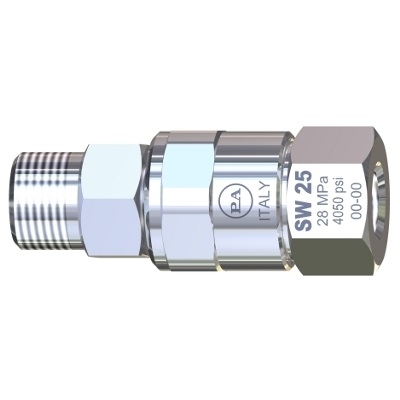
Nickel-plated brass construction represents the most common material choice for professional pressure washing swivels. Brass provides excellent machinability for precise tolerances, adequate strength for moderate to high pressures, and good corrosion resistance when properly plated. The nickel-plating enhances surface durability and chemical resistance, particularly important in car wash systems where swivels contact detergents and cleaning chemicals. Models like the PA SW25 and PA SW90 utilize nickel-plated brass bodies with stainless steel rotating pins, combining the benefits of both materials.
Stainless steel construction offers maximum corrosion resistance and structural strength for the most demanding applications. The R+M ST322 swivel features full stainless steel construction rated to 400 bar, ideal for industrial cleaning, food processing, and environments requiring superior chemical resistance. Stainless steel maintains performance in marine applications, chemical processing, and situations involving aggressive cleaning solutions. The material's resistance to pitting and corrosion ensures long service life even with irregular maintenance schedules.
AISI 304 stainless steel provides excellent general-purpose corrosion resistance at moderate cost. The SWLF large flow swivel employs AISI 304 construction, suitable for municipal applications and food industry installations requiring hygienic materials. This grade balances corrosion resistance with manufacturing cost, making it appropriate for professional applications not involving extreme chemical exposure.
Rotating pins and shafts typically utilize hardened stainless steel regardless of body material. These critical load-bearing surfaces require exceptional wear resistance as they experience continuous rotation under pressure. Stainless steel pins resist corrosion while maintaining dimensional stability, preventing binding and seal damage that could occur with softer materials.
Seal materials critically influence swivel performance and longevity. Viton (fluoroelastomer) seals provide the standard for professional swivels, offering excellent chemical resistance, temperature capability, and compression set resistance. Viton maintains sealing integrity across wide temperature ranges and resists degradation from petroleum-based products, detergents, and most cleaning chemicals. EPDM seals offer an alternative for applications involving specific chemical compatibilities or cost considerations, though with somewhat reduced temperature and chemical resistance compared to Viton.
Different swivel configurations address specific installation requirements and operational challenges. Understanding these variants helps system designers and operators select optimal solutions for particular applications.
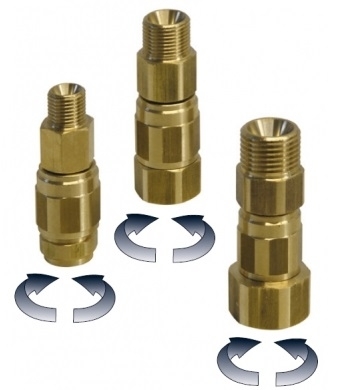
Straight-through swivels maintain inline flow path while providing rotational freedom. These are the most common configuration, positioned between hoses and guns or at strategic points in hose runs. The Mecline SWIVEL TOP brass swivel, rated to 310 bar and 40 l/min, exemplifies this design, available in three sizes to match different system flow requirements. Straight joints minimize pressure drop while providing unlimited rotation, making them ideal for general-purpose applications.
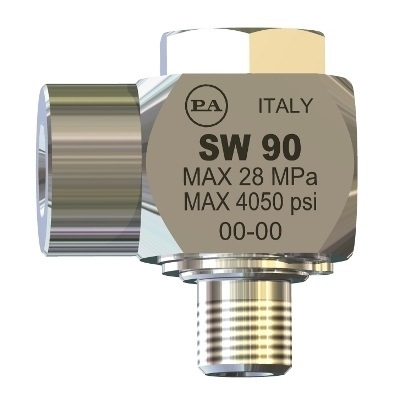
90-degree angle swivels combine directional change with rotational capability in compact packages. The PA SW90 swivel provides 250 bar rating with 90-degree flow redirection, common in car wash systems where equipment mounting requires flow path changes. These swivels reduce the number of fittings required in installations where both directional change and rotation are needed, simplifying system design and reducing potential leak points.
High-speed swivels incorporate specialized bearings and seal designs for applications involving continuous rapid rotation. The PA SW35, engineered for speeds to 2000 rpm, suits automatic car wash systems where brushes or rotating arms require reliable high-pressure water delivery through continuously rotating connections. Precision balancing and low-friction seals enable sustained high-speed operation without excessive wear or heat generation.
Large flow swivels accommodate applications requiring substantial water volume. The SWLF swivel handles flow rates to 100 l/min while maintaining 200 bar pressure rating, suitable for municipal street cleaning equipment and industrial systems where water volume takes precedence over extreme pressure. The 1/2" fitting size and AISI 304 stainless steel construction support these high-flow requirements while providing corrosion resistance for outdoor applications.
Multiple connection options enable system integration flexibility. Professional swivels are available with various thread combinations at inlet and outlet, accommodating different hose, gun, and equipment connection standards. The PA SW25 offers six different versions with varying connection combinations, allowing precise matching to existing system components without requiring adapters that introduce additional leak points and pressure restrictions.
For exploring the complete range of swivel joints and related components, visit Emiltec's couplings category featuring solutions from leading manufacturers for diverse professional applications.
The internal mechanisms that enable smooth rotation while maintaining pressure integrity represent the core engineering challenges in swivel joint design. Understanding these technologies helps operators appreciate quality differences and make informed selection decisions.
Bearing systems support rotational movement while managing lateral loads from pipe weight and movement. Professional joints employ precision-machined metal-to-metal bearing surfaces or separate bearing elements. Metal-to-metal designs rely on hardened, carefully finished surfaces that slide against each other with minimal friction. Proper lubrication and surface treatments enable these bearings to provide years of reliable service. Separate bearings, typically ball or roller types, offer lower friction and higher load capacity but require more complex assembly and sealing to prevent contamination.
Seal technology determines whether a swivel maintains leak-free operation under pressure throughout its service life. Dynamic seals in swivels face particularly demanding conditions, they must maintain sealing against both static and rotating surfaces while accommodating pressure fluctuations and potential misalignment. O-ring seals represent the most common sealing approach, employing elastomeric rings compressed between stationary and rotating components. The compression creates sealing force that increases with system pressure, providing reliable leak prevention.
Viton seals used in professional swivels offer superior performance compared to standard rubber compounds. This fluoroelastomer material resists compression set, the permanent deformation that causes leaks in inferior seals. Temperature resistance to 200°C enables hot water applications, while chemical resistance prevents degradation from detergents, solvents, and cleaning agents. The material's resilience maintains sealing force through thousands of rotation cycles, contributing to extended service life.
Multiple seal configurations provide redundancy against leakage. Quality swivels incorporate primary and secondary seals, ensuring that if the primary seal begins to degrade, the secondary seal continues to contain pressure. This design philosophy provides warning signs of impending failure, minor seepage from the secondary seal indicates primary seal wear before catastrophic leakage occurs.
Lubrication systems reduce friction and seal wear during rotation. Some swivels incorporate grease chambers that continuously lubricate bearing surfaces and seals. Others rely on system fluid, the pressurized water itself, to provide lubrication. Water-lubricated designs eliminate external lubrication requirements but depend on adequate flow and reasonably clean water to prevent abrasive wear.
Implementing structured maintenance programs maximizes swivel joint service life and ensures reliable performance. Regular attention prevents unexpected failures that interrupt operations and potentially damage connected equipment.
Visual inspection routines should occur weekly for intensive-use equipment, monthly for moderate use. Examine swivel bodies for corrosion, damage, or distortion. Check connection threads for wear or damage. Observe seal areas for any signs of seepage or weeping, minor moisture accumulation may indicate seal wear requiring attention before complete failure occurs.
Rotational testing verifies bearing condition. With the system depressurized, manually rotate the swivel through complete revolutions. Smooth, consistent resistance indicates proper bearing condition. Binding, rough spots, or variable resistance suggests bearing wear or contamination requiring service. Compare rotational feel to the swivel's performance when new to identify gradual degradation.
Leak detection during operation identifies seal deterioration before catastrophic failure. While the system operates under pressure, carefully inspect swivel seal areas for any moisture, drips, or spray. Initial minor seepage often precedes complete seal failure by days or weeks, providing opportunity for planned maintenance rather than emergency repairs.
Seal replacement intervals depend on operating conditions including pressure, temperature, chemical exposure, and usage intensity. Typical Viton seals in professional swivels operating under normal conditions last 1-2 years. Harsh conditions including high temperatures, aggressive chemicals, or continuous high-speed rotation may necessitate annual replacement. Establish replacement schedules based on observed performance in your specific application.
Replacement procedures require attention to cleanliness and proper technique. Before disassembly, thoroughly clean the exterior of the swivel to prevent contamination during service. Carefully disassemble following manufacturer procedures, noting component orientation for correct reassembly. Inspect all sealing surfaces for damage, corrosion, or wear. Clean surfaces thoroughly before installing new seals, ensuring no debris compromises sealing. Apply appropriate lubricant to seals during installation, typically the system fluid or manufacturer-specified grease. Reassemble carefully, avoiding seal pinching or damage.
Documentation and tracking enables proactive maintenance scheduling. Maintain service records noting installation dates, operating hours, maintenance activities, and seal replacement dates. This documentation identifies patterns in component life and optimal maintenance intervals for your specific applications and operating conditions.
Quality swivel joints deliver multiple operational benefits that justify their inclusion in professional high-pressure systems. Understanding these advantages helps operators appreciate proper swivel selection and maintenance.
Hose protection represents the primary benefit. Without swivels, hose rotation during operator movement creates twisting forces that weaken hose construction, damage reinforcement layers, and lead to premature failure. Twisting concentrates stress in localized areas, creating weak points vulnerable to bursting. Swivels eliminate this twisting, allowing hoses to move freely while maintaining proper orientation. This protection easily doubles hose service life in applications involving frequent operator movement or equipment rotation.
Operator fatigue reduction improves productivity and safety. When hoses twist during use, operators must work against rotational resistance that adds physical strain. This constant fighting against hose twist accelerates fatigue, particularly during extended cleaning sessions. Swivels eliminate this resistance, allowing natural movement without additional physical effort. Reduced fatigue enhances operator focus and precision while decreasing injury risk from repetitive strain.
Equipment protection extends beyond hoses to connected components. Guns, lances, and pressure washers experience stress from twisted hoses attempting to return to neutral position. These forces create wear on gun triggers, lance connections, and pump mountings. Swivels absorb rotational forces before they propagate through the system, protecting all connected equipment and reducing maintenance requirements across the complete installation.
System flexibility enables optimal equipment positioning and operator movement. With swivels managing rotation, system designers gain freedom in equipment placement and hose routing. Operators can work completely around vehicles or equipment without considering hose orientation, improving cleaning thoroughness and efficiency.
Performance consistency results from eliminating hose kinking and flow restriction. Twisted hoses partially collapse, reducing flow and pressure at the nozzle. This inconsistency affects cleaning results and requires operator adjustments. Swivels maintain proper hose orientation, ensuring consistent flow and pressure throughout the work cycle.
To explore complete high-pressure system solutions incorporating quality swivel joints and complementary components, visit Emiltec's comprehensive car wash applications section detailing integrated equipment for professional vehicle washing operations.
Swivel joints represent critical components in professional high-pressure systems, providing rotational freedom while maintaining leak-free performance under demanding conditions. Proper selection requires understanding pressure ratings, flow requirements, material compatibility, and application-specific needs. Quality swivels from professional manufacturers incorporate precision bearings, advanced seal technologies, and corrosion-resistant materials that ensure reliable long-term operation.
Installation attention to positioning, alignment, and support maximizes swivel effectiveness and service life. Systematic maintenance including visual inspection, rotational testing, and timely seal replacement prevents unexpected failures while optimizing performance. The operational benefits, including hose protection, reduced operator fatigue, and extended equipment life, justify swivel investment in any professional high-pressure system.
Emiltec's comprehensive range of professional swivel joints includes solutions for applications from standard pressure washing to heavy industrial cleaning. Their technical expertise supports customers through selection and installation, ensuring optimal equipment matching for specific operational requirements. Combined with complementary high-pressure components from leading manufacturers, Emiltec provides complete system solutions that maximize reliability and performance in demanding professional applications.



 Digital Marketing