
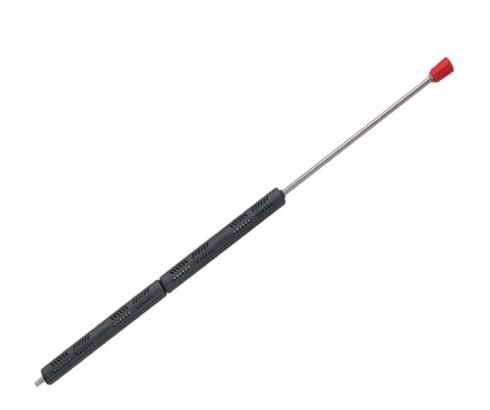
High-pressure wands transform raw water pressure into effective cleaning power for professional applications. This guide covers critical specifications, materials, and design features that define professional-grade cleaning wands, including length options, nozzle compatibility, pressure ratings, and ergonomic considerations. Material selection between stainless steel, galvanized steel, and plastic options influences durability and weight distribution. Safety features, including pressure relief mechanisms and anti-fatigue handles, are essential for professional use. Learn about specialized nozzle types, maintenance best practices, and compatibility with pressure washer systems to maximize cleaning efficiency and equipment longevity.
High-pressure lances serve as the critical interface between pressure washer pumps and the cleaning surface. These precision-engineered tools direct pressurized water with accuracy and control, transforming hydraulic force into targeted cleaning action. In professional settings, lances function as sophisticated delivery systems that determine cleaning effectiveness, operator comfort, and overall system performance.
Professional lances must withstand static pressure and dynamic forces including vibration, thermal expansion, and mechanical stress from handling. Quality lances incorporate engineering refinements that ensure reliable performance across diverse applications. Modern designs integrate ergonomic grips that protect operators from heat transfer in hot water systems, while insulating materials prevent discomfort during extended outdoor use. Weight distribution considerations reduce fatigue during prolonged operations, determining whether a lance performs as a precision tool or liability.
Selecting appropriate lances requires understanding technical specifications that govern performance and compatibility. Pressure rating indicates the maximum working pressure the lance can safely handle, typically ranging from 200 bar for standard applications to 400 bar or higher for industrial tasks. The pressure rating must always exceed system maximum output to provide adequate safety margin.
Key technical specifications include:
Length directly impacts performance and comfort. Shorter lances of 500-750mm provide maneuverability in confined spaces and reduce fatigue. Medium lengths of 850-1000mm balance reach with control for general use. Extended lances exceeding 1000mm enable safe distances or easy access without stairs.
Temperature ratings distinguish cold water lances from those engineered for hot water or steam. Cold water lances employ plastic grips and standard seals adequate to 60°C. Hot water lances incorporate high-temperature resistant materials protecting operators while maintaining integrity at temperatures approaching 150°C.
Materials fundamentally determine longevity, weight, and environmental suitability. Stainless steel represents the premium choice, offering exceptional corrosion resistance, structural strength, and chemical compatibility. AISI 303 and AISI 316 grades dominate professional construction, with AISI 316 providing superior resistance in marine or corrosive environments. Stainless steel maintains dimensional stability across wide temperature ranges, though longer lances can induce operator fatigue.
Galvanized steel construction offers an excellent compromise between quality and cost. It is a more economical solution than stainless steel. Ideal for use in non-corrosive environments and with pressures that are not too high.
Standard straight lances suit general-purpose cleaning including vehicle washing, surface preparation, and routine maintenance. Models like the Mecline L35, operating at pressures up to 310 bar with flow rates to 45 l/min, exemplify professional-grade lances suitable for intensive use in car wash systems and industrial applications.
Telescopic lances provide variable lengths without changing equipment, extending from compact dimensions to 7.8 meters. These designs integrate the high-pressure hose internally, eliminating external hose management. This proves invaluable for cleaning building facades, elevated surfaces, and vehicle roofs without scaffolding. Typical pressure ratings reach 275 bar for architectural cleaning applications.
Adjustable angle lances like the PUSH and PULL design allow operators to adjust water jet angle relative to the lance axis, directing spray into spaces unreachable with straight lances. This capability proves essential for vehicle underbody cleaning and accessing recessed industrial equipment areas.
Lances with integrated side handles enhance control and stability. The PA L124 model, designed for flow rates up to 100 l/min, incorporates a side handle enabling two-handed grip for improved stability in municipal street cleaning and specialized washing operations.
For comprehensive information about professional cleaning applications, explore Emiltec's guns and lances category featuring diverse solutions for industrial, commercial, and municipal operations.
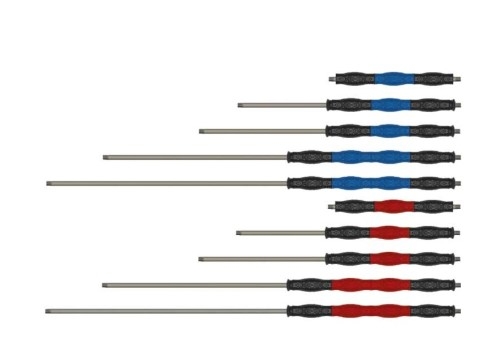
The interface between lance and nozzle represents a critical junction. Professional lances incorporate standardized nozzle holders accommodating quick-change systems, enabling pattern switches without tools. Nozzle holders must securely retain nozzles under full pressure while allowing rapid removal. Quality holders incorporate quarter-turn or bayonet mounts preventing accidental ejection.
Thread compatibility must be verified during selection. Common outlet threads include 1/4“ or ⅛” female NPT, M22, and quick connect fittings. Understanding the specifications of the existing system ensures seamless integration without adapters that introduce potential leak points.
The gun-lance connection similarly demands compatibility attention. Standard 1/4" female inlets predominate, though variations exist. Some lances incorporate swivel inlets reducing hose torsion and improving operator comfort during extended use.
System pressure matching between pump output, gun capacity, and lance rating ensures safe operation. Lance pressure rating should exceed maximum system pressure by at least 20% to provide adequate safety margin. Flow characteristics through the lance affect overall performance—internal diameter, length, and surface finish contribute to pressure drop between gun and nozzle.
Professional operations often involve extended lance use, making ergonomic design crucial. Contoured grips distribute pressure across larger contact areas preventing localized fatigue. Textured surfaces provide secure purchase without excessive grip force, important when wearing protective gloves or working with wet hands.
Thermal insulation protects operators from temperature extremes. Quality insulating grips maintain comfortable exterior temperatures even when internal water reaches 80-90°C or higher. Weight distribution profoundly affects fatigue, balanced designs position center of mass near the grip point, minimizing the moment arm operators must counteract.
Compliance with pressure classification is the fundamental safety requirement. Burst pressure specifications are typically 3-4 times the nominal working pressure, ensuring a substantial safety margin.
Inspection protocols should form part of regular maintenance. Visual examination identifies cracks, deformation, corrosion, and connection wear. Any lance showing visible damage should immediately be removed from service. Thread connection integrity requires particular attention: crossed threads or worn profiles create leak paths that erode under pressure.
Daily maintenance includes visual inspection and thorough rinsing with clean water to remove chemical residues and debris. Allow lances to dry completely before storage to inhibit corrosion. Thread lubrication maintains smooth operation and prevents galling—apply compatible lubricants monthly for intensive use, quarterly for moderate use.
O-ring and seal inspection should occur during cleaning and storage. Examine seals for compression set, cracking, or degradation. Replace damaged seals immediately as compromised seals lead to leaks and potentially dangerous failures. Store lances in dry, protected locations away from temperature extremes and direct sunlight.
When selecting wands, start by establishing the maximum operating pressure and flow requirements. Determine the maximum output of the pump, then select wands rated to support at least 20% more pressure. The application environment influences the selection: outdoor operations in harsh weather conditions favor sturdy stainless steel construction. Specific task requirements may dictate specialized types: facade cleaning requires telescopic models, while underbody cleaning benefits from adjustable angle designs.
Operator considerations, including physical capabilities and typical job duration, also influence selection. Less experienced operators benefit from shorter, lighter lances. For prolonged continuous use, prioritize ergonomic features and weight reduction. Calculate replacement frequency based on usage intensity and compare life cycle costs rather than focusing solely on purchase price.
For more information about maintaining your complete system, consult Emiltec's guide on pressure washer guns covering complementary maintenance practices.
Industrial high-pressure cleaning requiring pressures above 350-400 bar requires specially designed lances. The PA RL1000 with integrated lance features AISI 303 stainless steel construction and servo-assisted operation suitable for hydro-sandblasting and hydro-demolition at pressures reaching 1000 bar.
Food processing plants require lances that meet hygiene standards with AISI 316 stainless steel construction and smooth external finishes that eliminate crevices that harbor dirt residues. Municipal street cleaning operations benefit from high-flow lances such as the PA L124, which accommodates flow rates of up to 100 l/min with side handles that provide stability.
Chemical application systems require material compatibility with various cleaning solutions. Foam application systems incorporate venturi injection mechanisms introducing foaming agents into the water stream, finding extensive use in vehicle detailing and food processing sanitization.
Accessories enhance lance functionality—nozzle holder extensions provide additional reach, quick-disconnect couplings enable rapid lance changes, and nozzle assortments provide versatility for different tasks. Chemical injection systems attach between pump and gun, introducing solutions at controlled ratios.
For exploring the full range of professional cleaning equipment, visit Emiltec's high-pressure washer applications section detailing equipment configurations for diverse industrial sectors.
High-pressure lances represent critical components in professional cleaning systems, directly influencing cleaning effectiveness, operational efficiency, and worker safety. Professional selection requires systematic evaluation of pressure requirements, flow capacities, and application conditions. Material selection should balance durability against ergonomic priorities and budget constraints.
Integration considerations including nozzle compatibility, system pressure matching, and accessory requirements ensure seamless operation. Safety specifications with adequate pressure ratings and proper maintenance procedures protect operators and extend equipment service life. Ergonomic features reducing operator fatigue justify premium costs through improved productivity.
Emiltec's complete range of professional pressure washer lances includes solutions for various applications, from standard cleaning to specialized industrial requirements. The technical expertise of the sales team supports customers in selecting the right equipment, ensuring optimal combinations between operational requirements and product specifications, maximizing cleaning effectiveness and equipment reliability.



 Digital Marketing